Newsletter: The ability to shape your future lies in the Now
To each person is the ability to shape the future
People are attached to their memories
They identify themselves with what they were
They relate everything of now to their past
They selfie themselves through the present
In an urge to solidify their past
With that habit they reject the present
More serious is that by identifying with the past
People ignore their ability to shape their future
Individually and in ways that are unique
To each person is the ability to shape the future
In the Certainty of Nâm and its Trust in the present
As always being ‘What Is’ as the Consequence
Of the Cause that we are, we have the ability
To create what we shall be tomorrow
Yoginâm, 2020
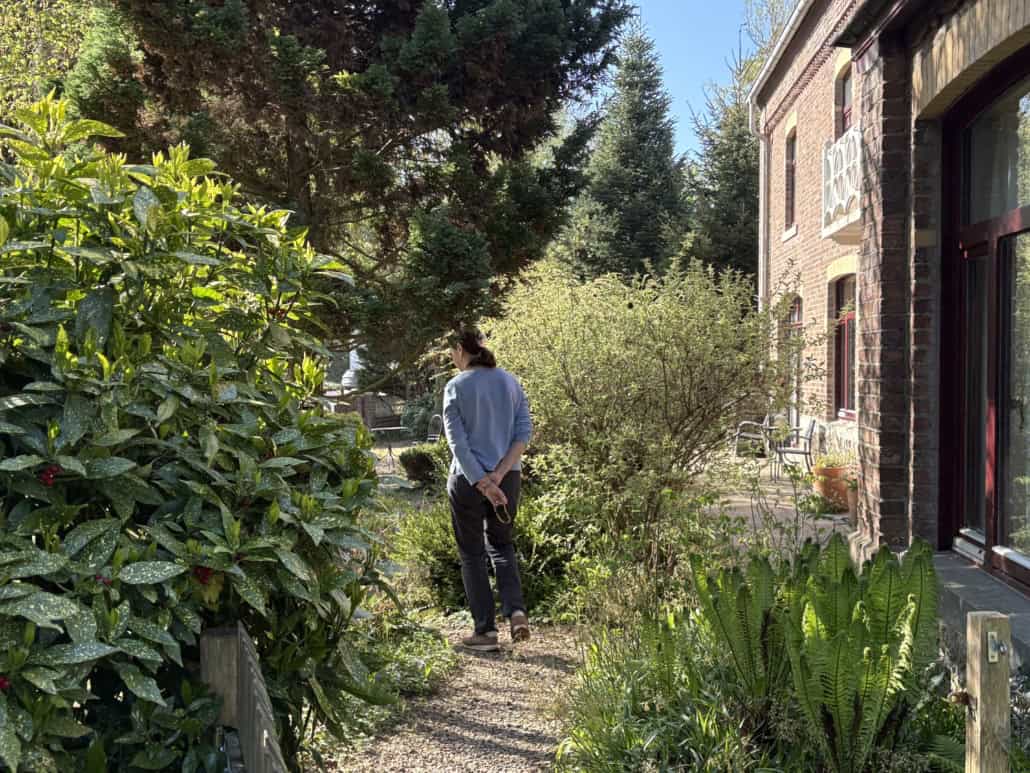
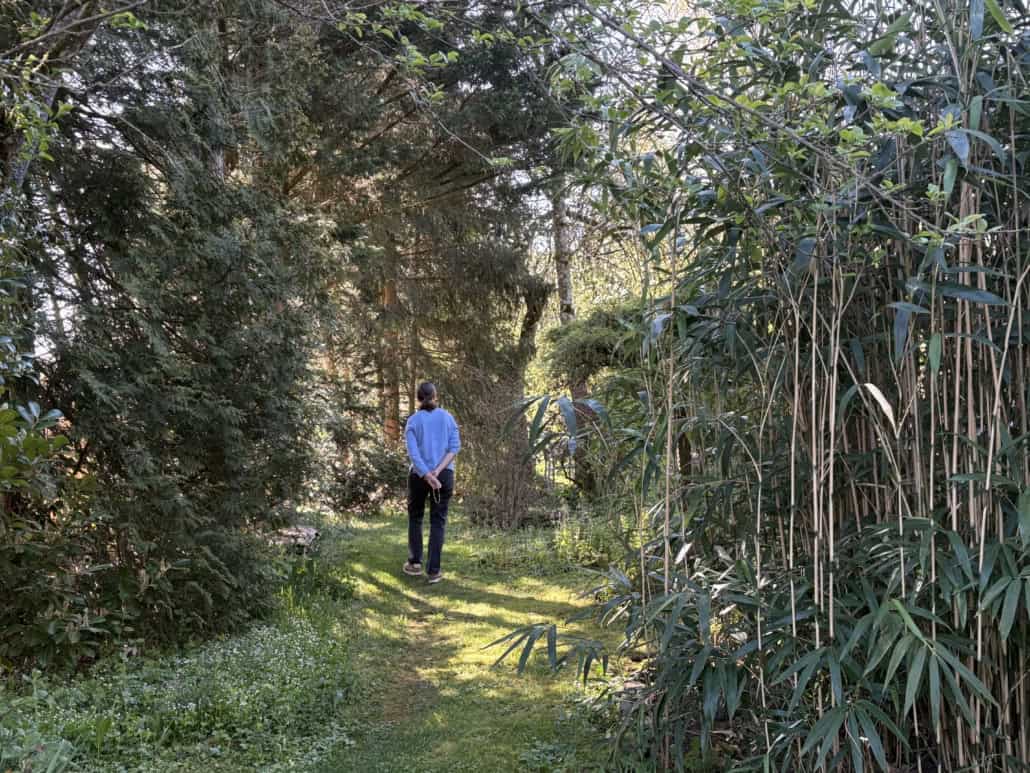
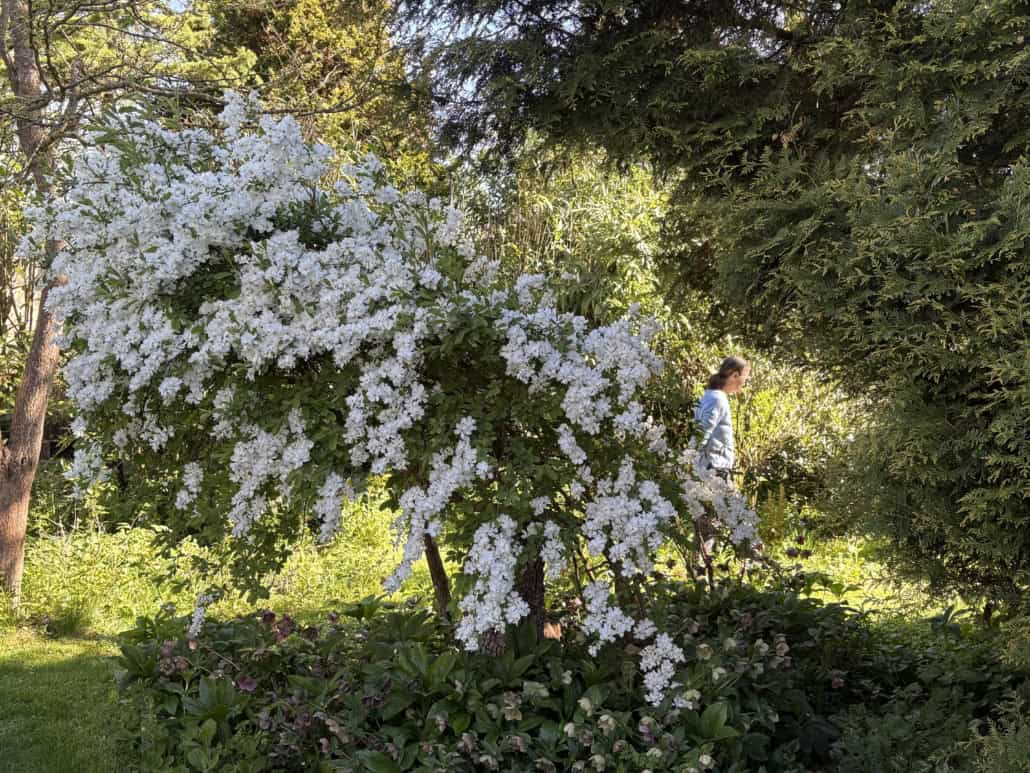
Memories and identification
The atmosphere of the Asharum - its tiled stone floors, Yoginâm’s writings, Rumi’s books placed in the living room, the scent of jasmine in the garden - seems to touch directly on something deeper, specifically when our guests have an Arabic background. In their reactions there is wonder along with curiosity. Often, that’s what leads guests to share something more of the story behind what they feel.
To stay with this specific example, sometimes, when it turns out that there has been a break with the - in this case Islamic - tradition in which the person grew up, the unexpectedness of the encounter appears to open something. Contemplating on the words of Yoginâm above, I wonder whether this sudden encounter with something so familiar in such a seemingly unrelated place postpones the automatic identification with the past tradition, providing the opportunity to view the relation to this tradition from a different perspective and thus creating another future.
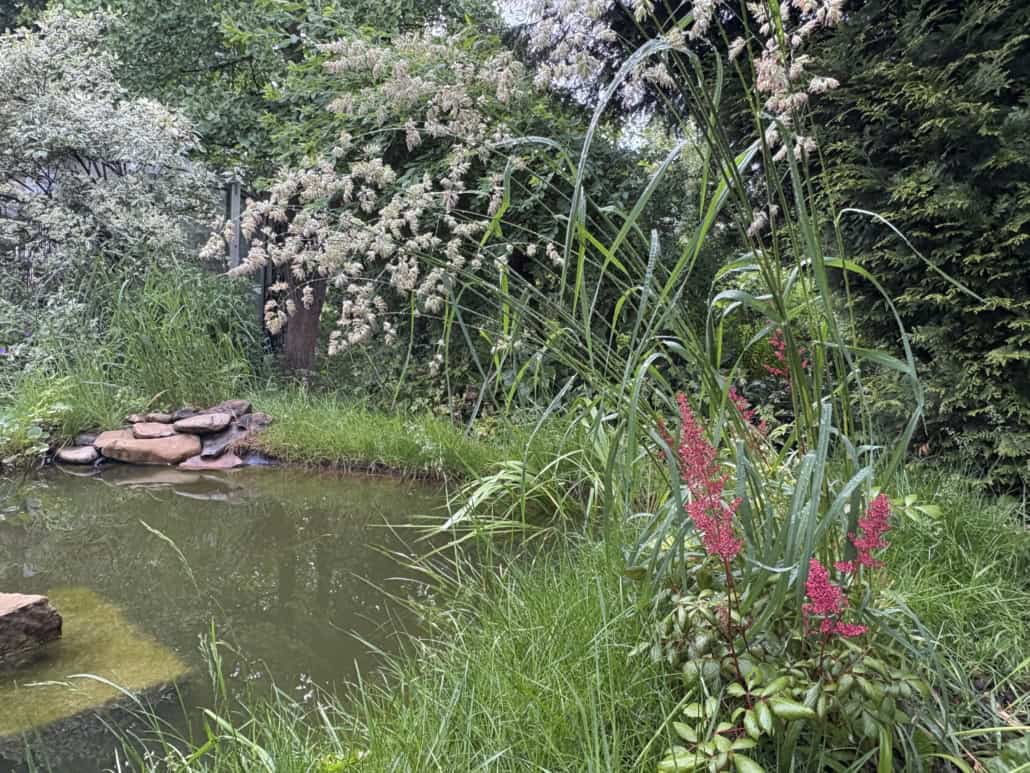
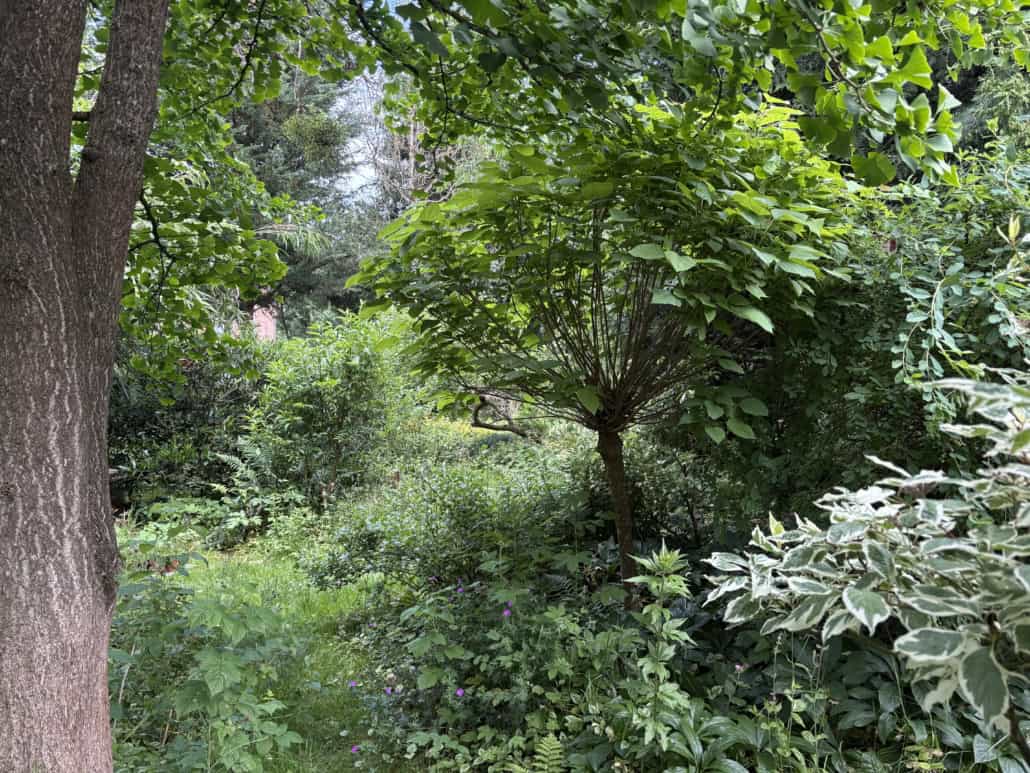
In the case of our two most recent guests, both raised in Iran and now living in Germany, recognition brought with it a feeling of belonging—of being at home. One of them wished, for a next stay, to bring her mother along, who still lives in Iran. The other, during her time with us, was reminded of a poem by Rumi— she wrote it down in Farsi in our guest book—and afterward I searched online for its translation:
How could I know
How could I know that this longing would drive me so crazy
That it would make my heart a prison and my eyes a river?
How know tears like a flash flood would carry me away,
And hurl me like a boat into a vast sea of blood?
Those waves would beat and split this boat board by board
Until each board twists away from all the many tortures?
That the sea-monster would rise Its head - and swallow the sea
That such an immense sea would go dry like a desert plain?
That the devouring sea-monster would then split this plain
And suddenly pull me down into a pit, like Korah, in wrath?
When these transformations occurred naught remained
What do I know, when why and what swallow each other?
O how many the 'I don’t knows' there are - but I don’t know
For I have swallowed the foam of opium, to forget that sea!
Wondering
To be present in the moment is also to surrender, without knowing what you might expect, and being able to stay with your own thoughts during a period of vulnerability. It’s the art of living to remain still, perhaps even slightly unsteady - on one leg - without losing your balance. That’s not easy in a world that constantly urges you to keep going and thus pulls you away from the here and now.
A Personal Meditation Retreat offers the chance to be present with yourself in the moment, and a ten-day retreat allows this movement to deepen. One of our guests described his stay as transformative, which evoked a sense of wonder.
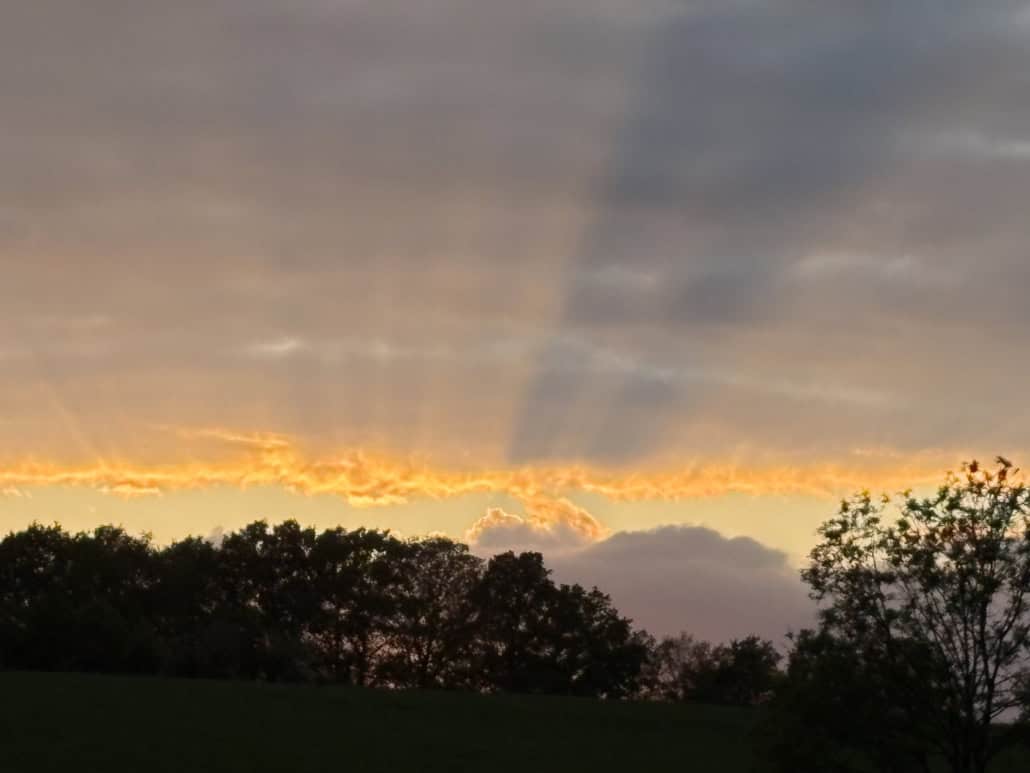
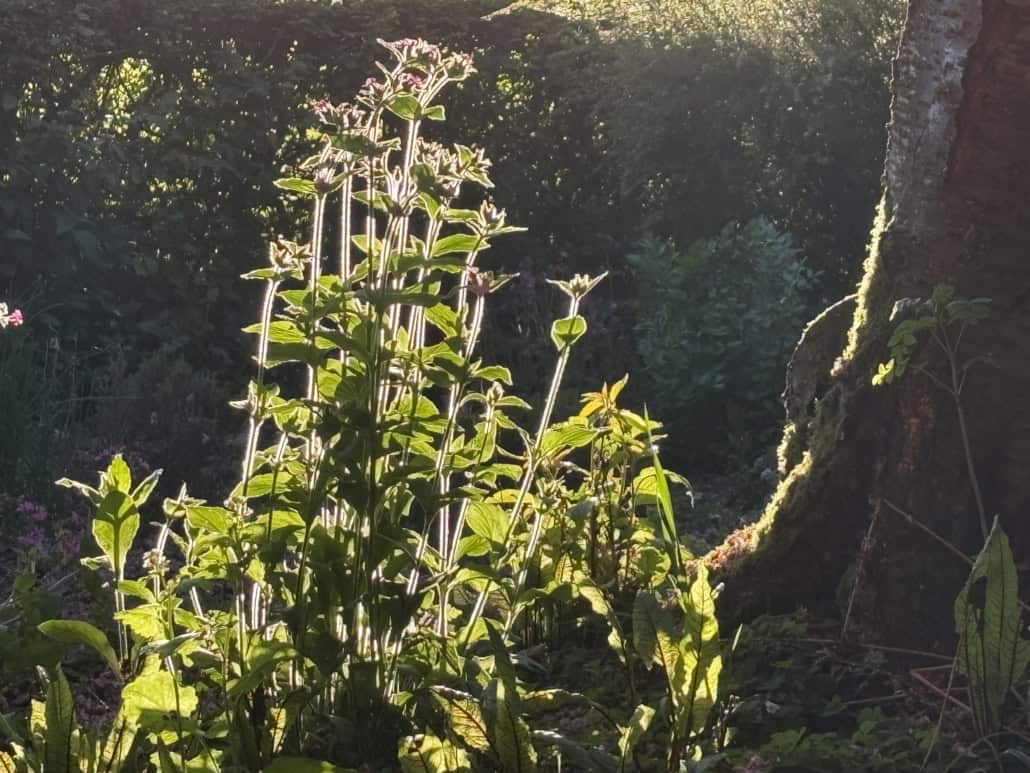
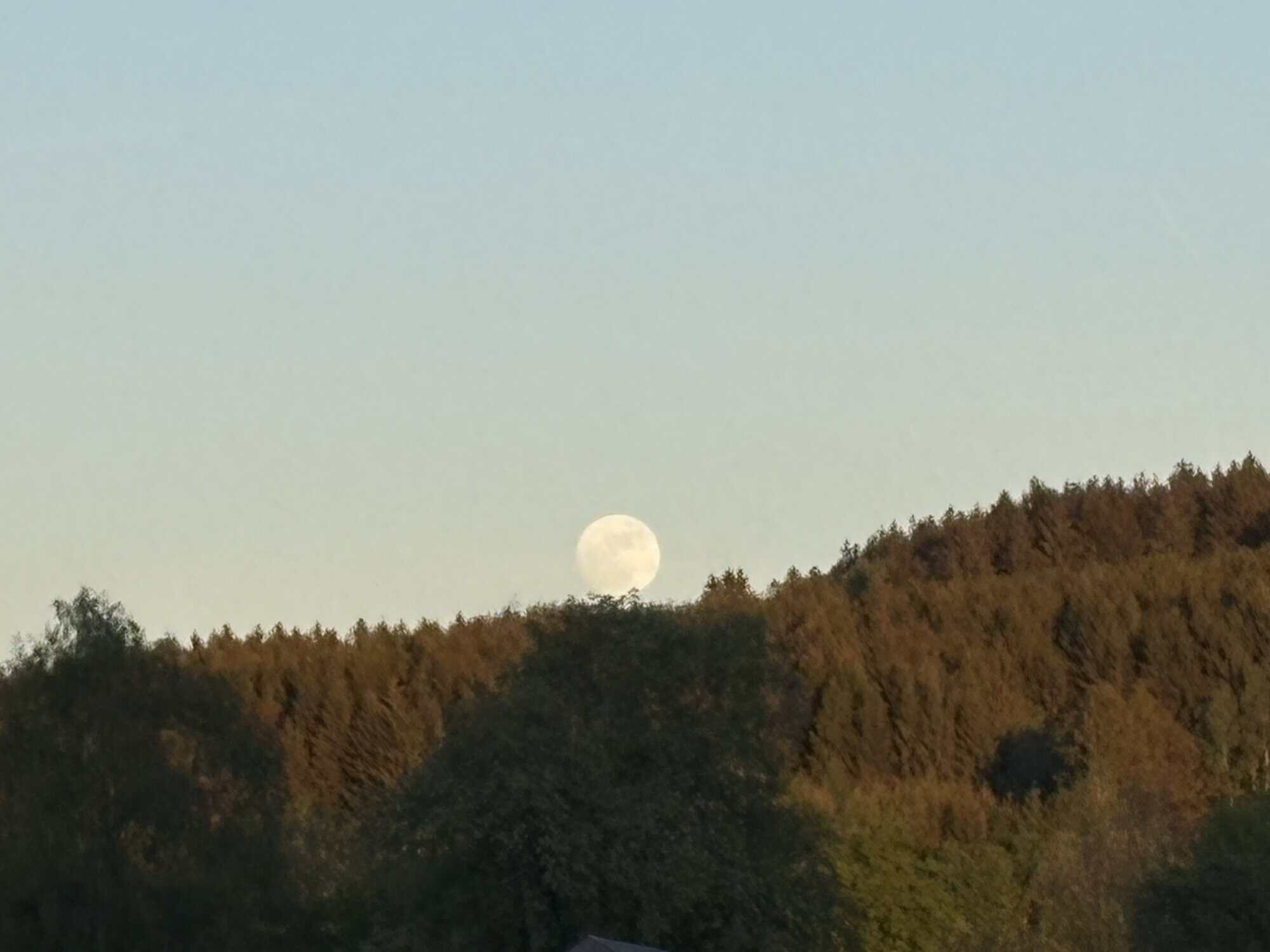
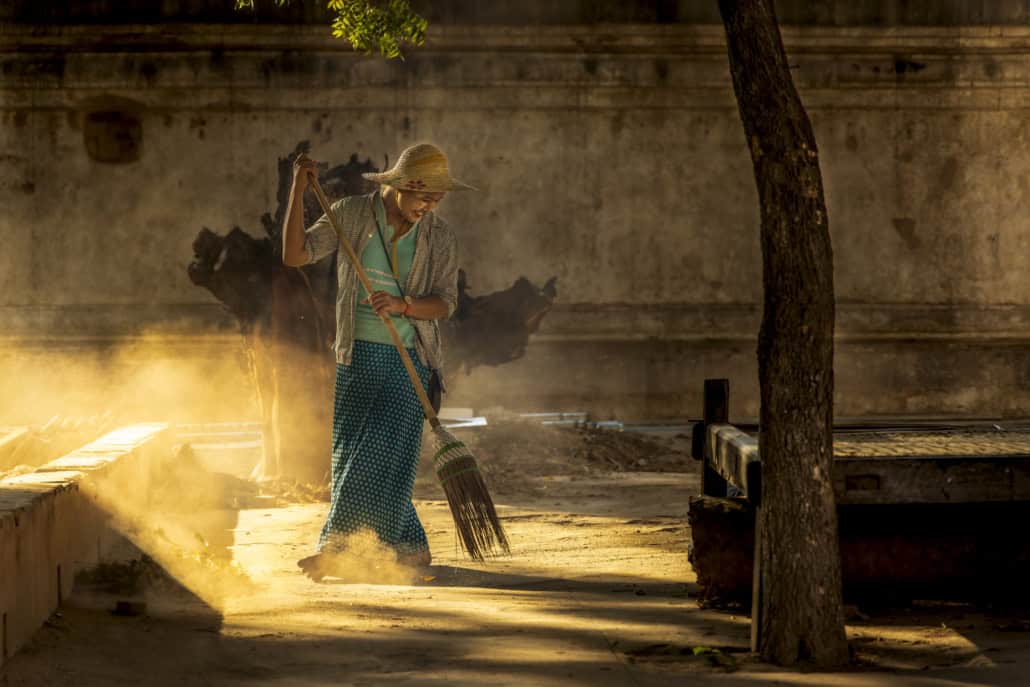
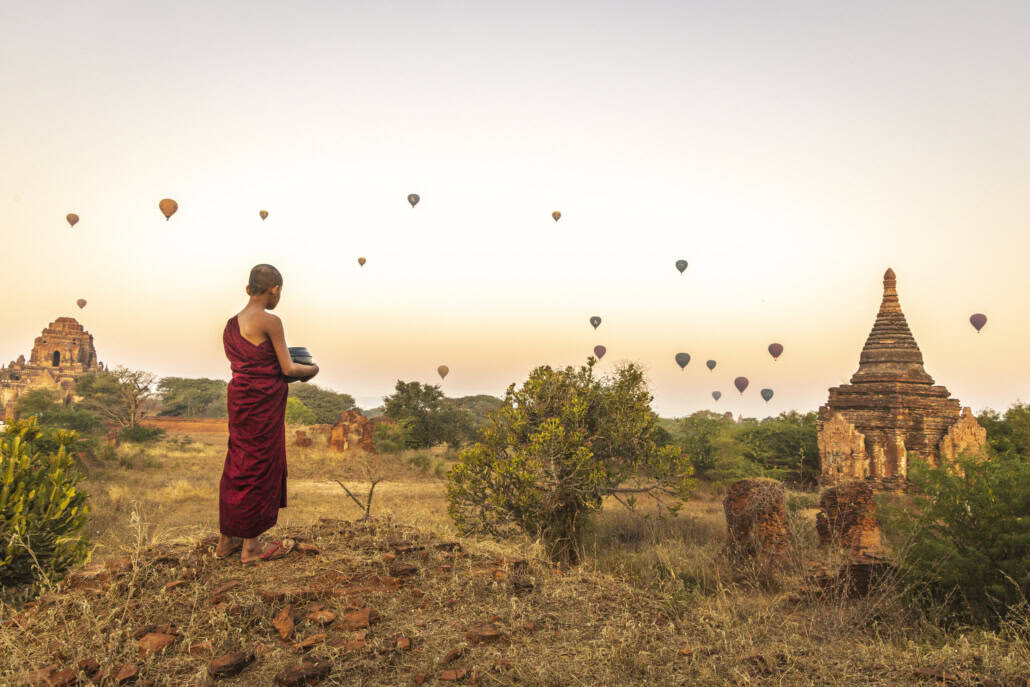
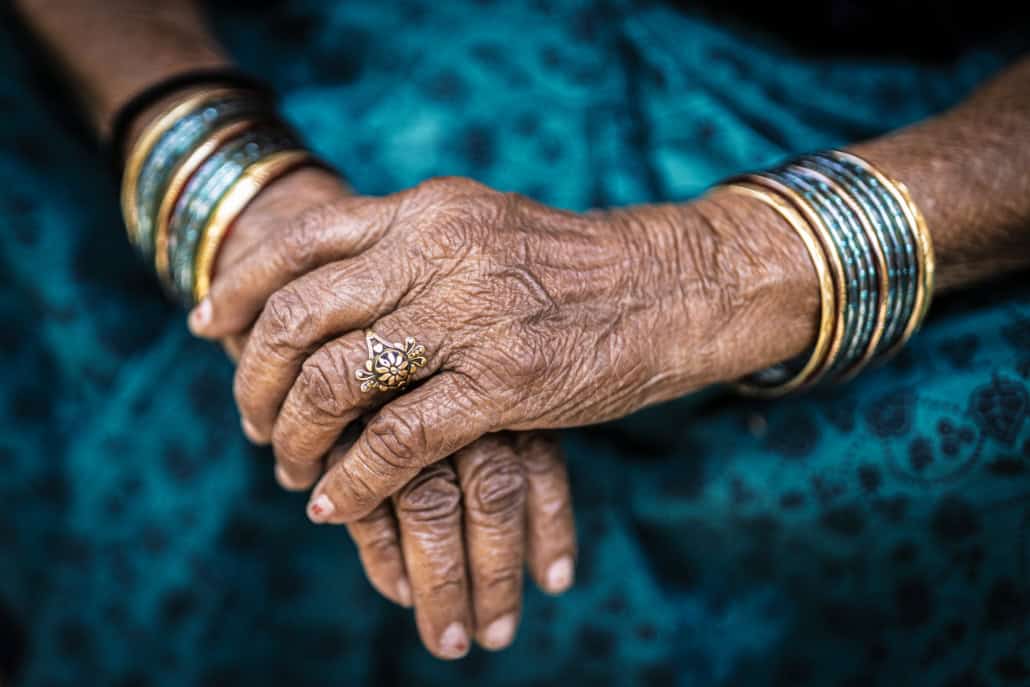
In gratitude, and as a photographer, he wanted to offer a number of his photos to the Asharum, with the wish that: “they may become a beautiful contribution to the process of wonder of your guests”.
For the Asharum, we still need to make a selection, but with his approval I’ve already chosen three photos to share here, hoping that, in this way, they may bring a little wonder already.
Attunement brings you into the Now
Attunement
The direction of the spiritual endeavour is Attunement
Reaching optimal Attunement is the Task of Human Living
The transformation that is involved
In performing the Task of Human Living
Is the purification of the niche of human living
Attunement is only reached with
Attitudes and Behaviour that express
The transcendental nature of human living
For the application of Nâm Thinking
There are nine Instruments of Attunement
That are useful and beneficial for generating optimal Attunement
Yoginâm, The Book of Nâm, p. 255
The Feast of Greater light
In the Feast of Greater Light we celebrate Attunement in Abbah.
We come together in the aspiration to living in Attunement.
Yoginâm, 2023
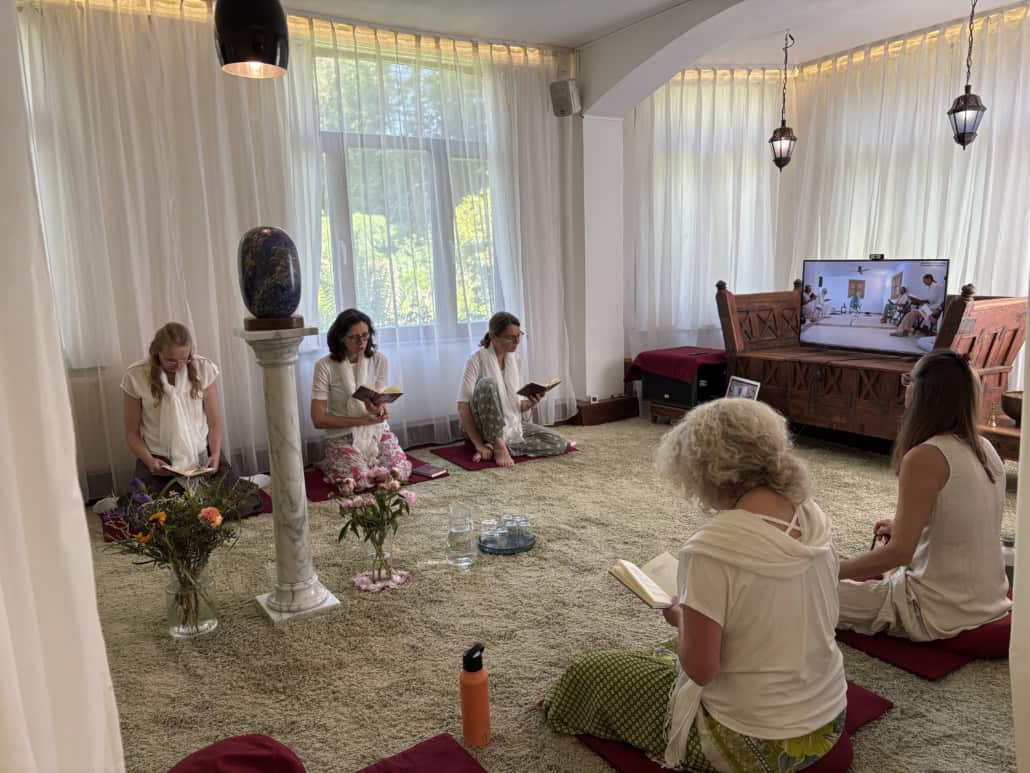
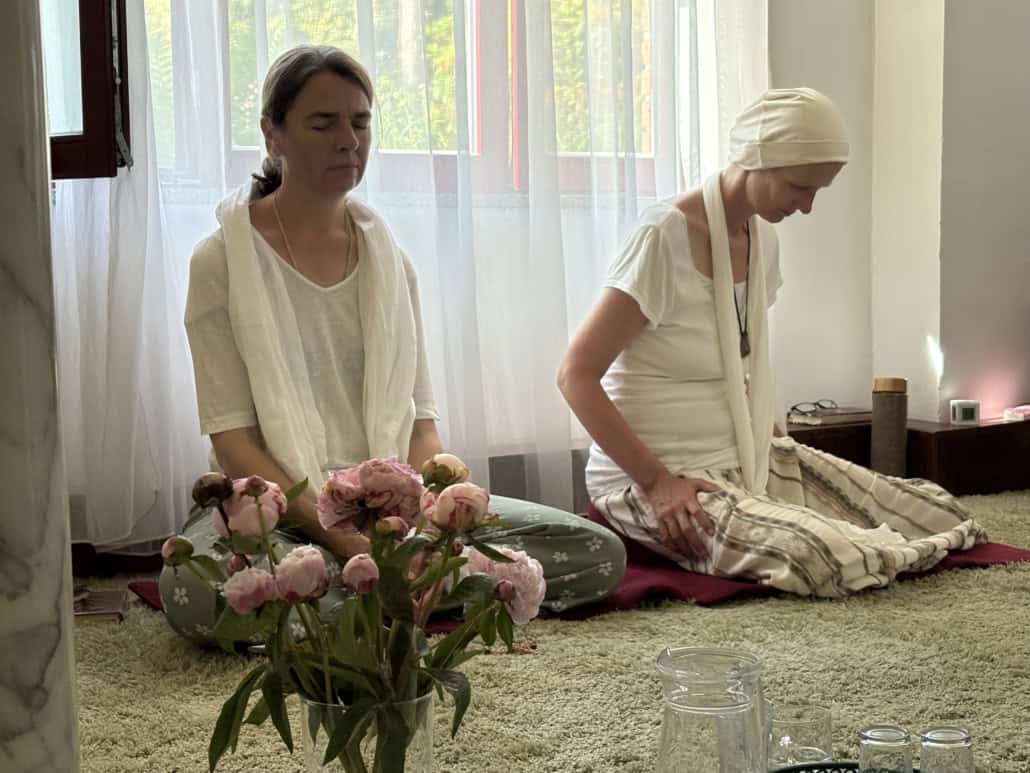
The Feast of Greater Light is celebrated through recitations, songs and a ritual dance on the day of the summer solstice on June 21. And although Attunement is not something reserved only for the Feast, because it is something permanent, recitation and ritual is one of the nine instruments of Attunement.
Most important for the Feast though is the gathering of the people, because, as Yoginâm says; it is the gathering of the people that constitutes the Feast. And this is exactly what we experienced.
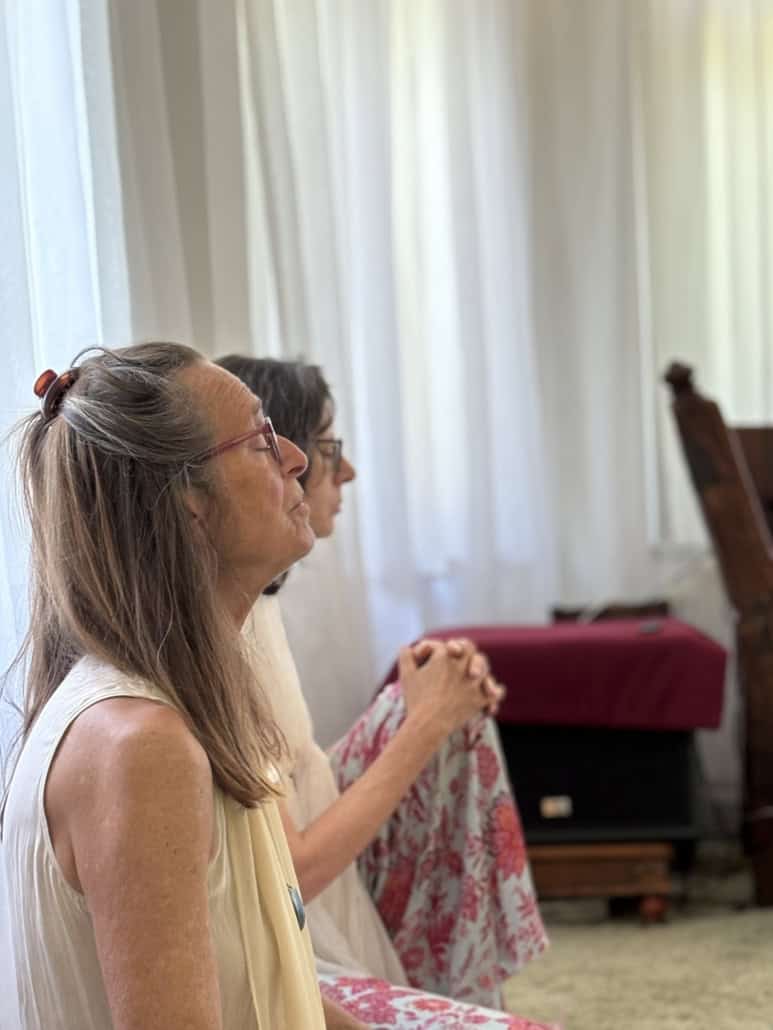
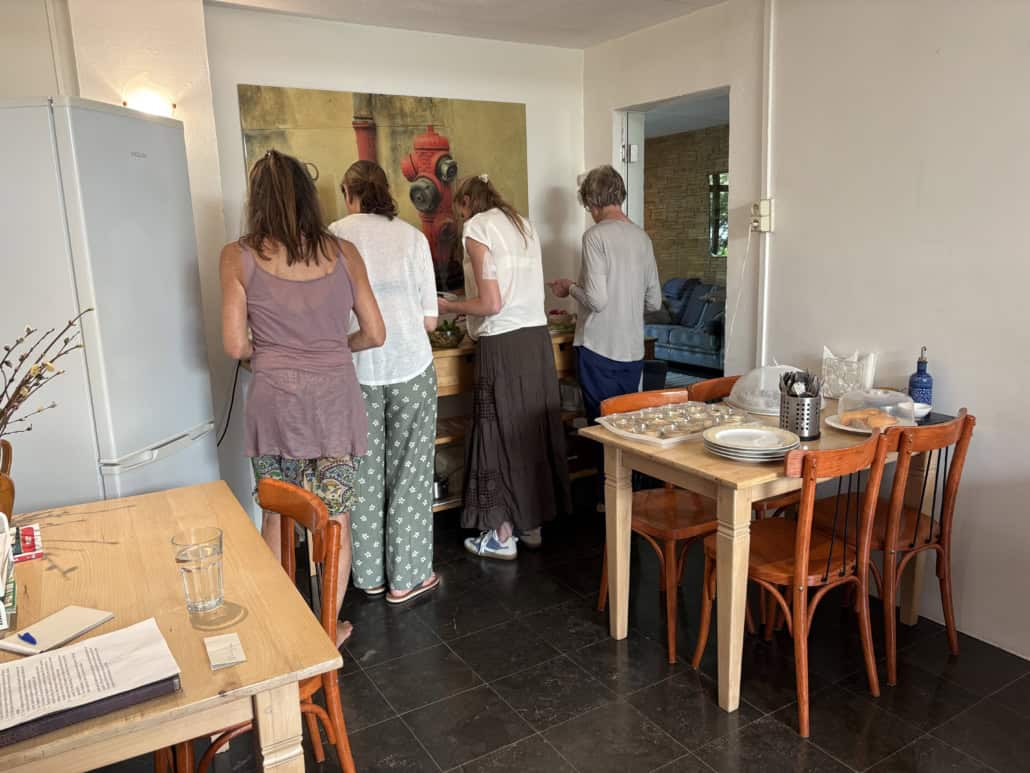
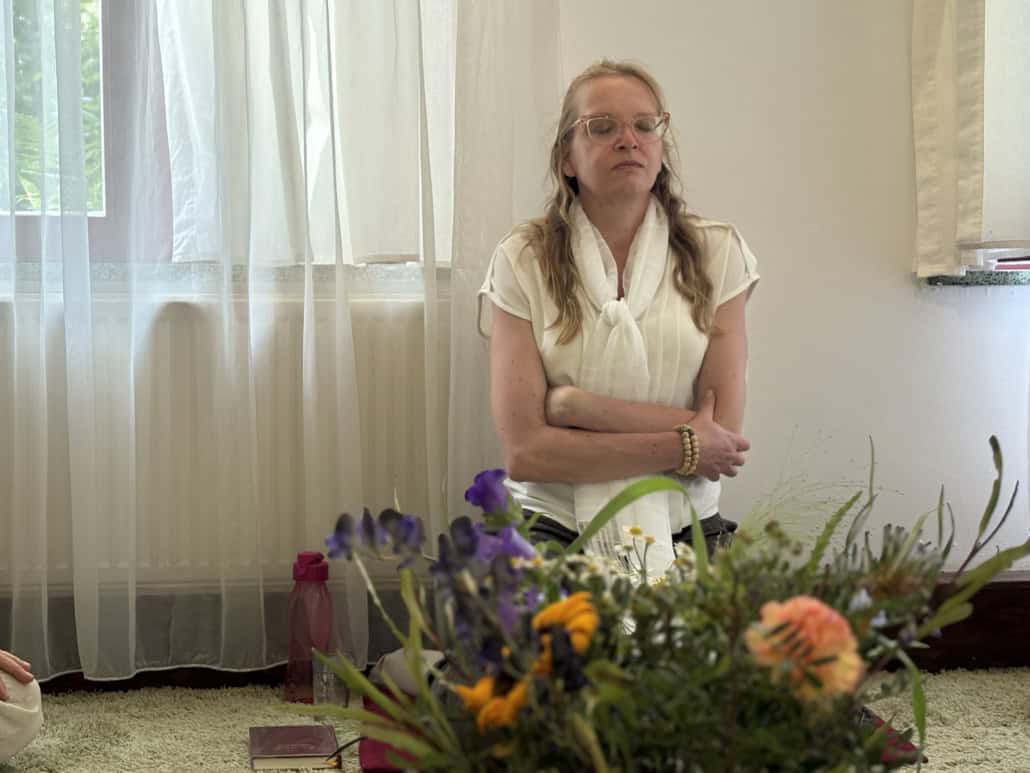
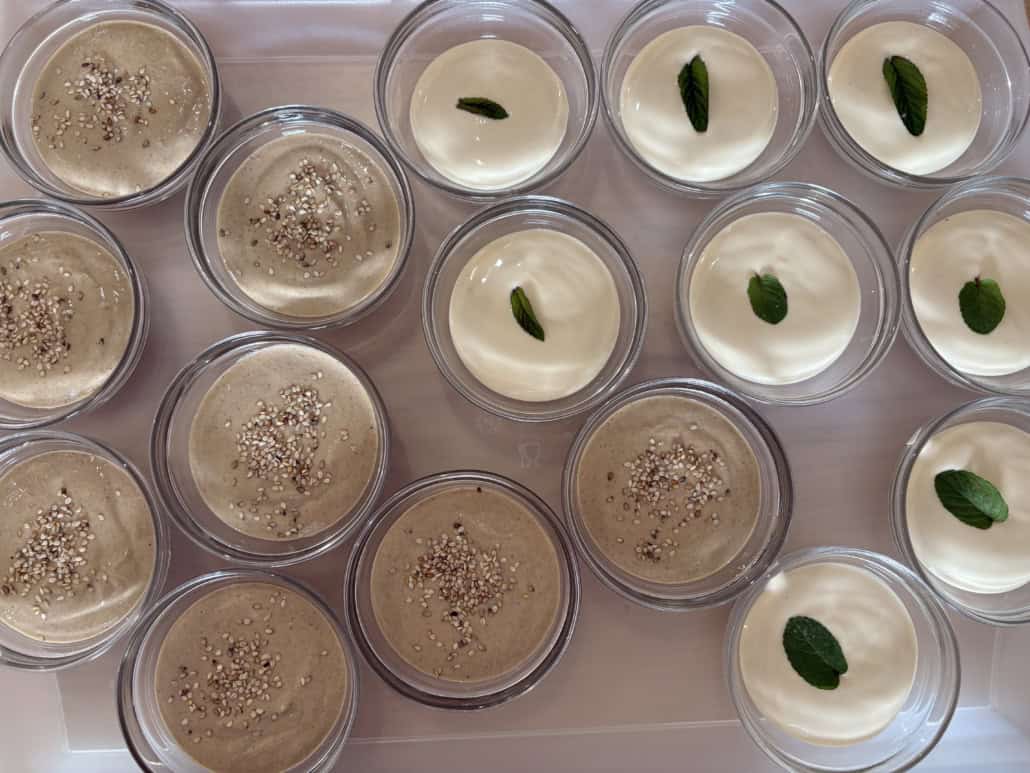
The fact that June 21 was on a Sunday, made it possible for some people to arrive two days in advance. On Saturday we all worked together in preparing the dinners for both that day ánd the celebration day. There were just a few of us this time, and because we’ve known each other for so long and give direction to our lives in the same way, there was a deep sense of trust. No demands were made, and everyone could simply be. The ease with which we were together, like a family, brought an immense sense of joy.